Why Antibiotics Work Without Infection
Does this describe you? "Every time I'm on antibiotics I feel better but when I stop them I feel worse again." And then a bombshell hits: your doctor tells you that YOU DON'T HAVE A SINUS INFECTION! How could this be?
Let's explore this.
From my experience of seeing thousands of patients a year with sinusitis, I consider two scenarios that cause someone to be "dependent" on antibiotics:
- You actually have a resistant or refractory sinus infection. Okay, this is straightforward, find the underlying cause and treat.
- You do not have a bacterial sinus infection, and the reason for recurrence is that antibiotics are not the best treatment. Many scenarios fit in this category, including but not limited to, allergies, viral colds, and headache syndromes.
But let's get back to the point. If the condition is NOT a bacterial infection, why would antibiotics make you feel better? There are a few reasons for this phenomenon.
Antibiotics Reduce Inflammation
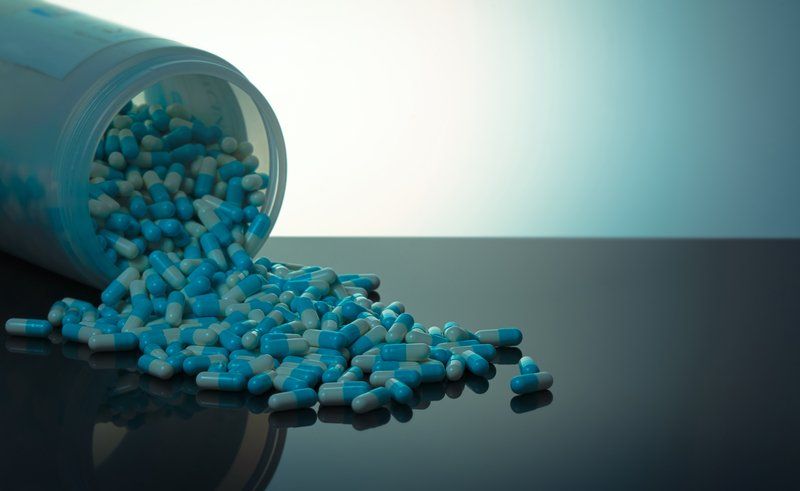
Many processes that make a person feel miserable are related to inflammatory responses. The Common Cold causes inflammation in the nasopharyngeal tract. Tension headaches are related to inflammation of the head and face muscles. Certain antibiotics have been shown to reduce inflammation because of its anti-inflamatory properties (1). Hence, raises the question, anti-inflammatory vs antibiotics? Reducing inflammation reduces the symptoms, thereby making it appear that the antibiotics are working. But if the right diagnosis can be made, better treatments than antibiotics can be considered.
Antibiotics can have a Profound Placebo Effect
A placebo effect is a phenomenon when a drug produces a beneficial effect not attributable to the drug's properties. Sometimes, the human body will produce its own opioid chemicals (called endogenous opioids) in response to the belief that a treatment works, even if that treatment is a salt-water pill! Thus, some of the effect of antibiotics in nonbacterial conditions can be related to placebo (4).
Antibiotics Reduce Pain
Some antibiotics appear to modulate the pain centers and processes in the body (2,3), which would make a headache less intense and reduce symptoms of a viral Cold even if no bacteria are present! There are better treatments for these conditions than antibiotics though.
So What's So Bad About Taking Antibiotics Anyway?
So what? So what if it is not a bacteria sinus infection. If it makes you feel better, why not take antibiotics or antibiotic therapy? This question is great, and you need to know the answer, not just for yourself but for your elderly family member who, as frail as can be, may at any point get a resistant, life-threatening infection. If that is the case then, do we use nonsteroidal anti-inflamatory drugs or anti-inflammatory treatment instead of antibiotic treatment?
Bacteria are keen adapters, and they become resistant to antibiotics to which they are frequently exposed.
Increasing resistance to antibiotics has been demonstrated and inappropriate antibiotic use continues to worsen this pattern (5). Thus, antibiotics should be reserved for bacterial infections.
Diagnostic Approach
When patients feel better on antibiotics but symptoms return quickly, a thorough evaluation is important. A sinus specialist may perform a nasal endoscopy, review symptom history, and assess for allergies, inflammation, or structural issues. In some cases, imaging such as a CT scan of the sinuses may be recommended to determine whether chronic sinusitis, nasal polyps, or another underlying condition is present. Accurate diagnosis ensures the right treatment plan and avoids unnecessary antibiotic use.
Alternative Treatments to Antibiotics
Many non bacterial sinus and nasal conditions respond better to targeted treatments rather than antibiotics. These may include saline irrigations, nasal steroid sprays, antihistamines for allergies, and anti inflammatory therapies. Lifestyle changes such as managing environmental triggers and improving nasal hydration can also reduce symptoms. For chronic conditions, advanced treatments like balloon sinuplasty or minimally invasive sinus procedures may be recommended to improve long term relief.
When Antibiotics Are Appropriate
Antibiotics are most effective when a true bacterial sinus infection is present. Symptoms such as persistent thick nasal drainage, facial pressure lasting more than 10 days, fever, and worsening symptoms after initial improvement may indicate a bacterial infection. A specialist will determine whether antibiotics are necessary based on examination and medical history. Using antibiotics only when appropriate helps prevent resistance and ensures better long term outcomes.
References
- Amsden GW. Anti-inflammatory effects of macrolides—an underappreciated benefit in the treatment of community-acquired respiratory tract infections and chronic inflammatory pulmonary conditions? J Antimicrob Chemother. 2005 Jan;55(1):10-21.
- Suaudeau C, de Beaurepaire R, Rampin O, Albe-Fessard D. Antibiotics and morphinomimetic injections prevent automutilation behavior in rats after dorsal rhizotomy. Clin J Pain. 1989;5(2):177–181.
- Ocana M, Baeyens JM. Analgesic effects of centrally administered aminoglycoside antibiotics in mice. Neurosci Lett. 1991;126(1):67–70.
- Amanzio M, Benedetti F. Neuropharmacological dissection of placebo analgesia: expectation-activated opioid systems versus conditioning-activated specific subsystems. J Neurosci. 1999 Jan 1;19(1):484–494.
- Klevens RM, Morrison MA, Nadle J, Petit S, Gershman K, Ray S, Harrison LH, Lynfield R, Dumyati G, Townes JM, Craig AS, Zell ER, Fosheim GE, McDougal LK, Carey RB, Fridkin SK. Invasive methicillin-resistant Staphylococcus aureus infections in the United States. JAMA. 2007;298(15):1763–1771.