
Is It Normal to Get Sinus Infections in the Summer?
Key Takeaways
- Sinus infections aren’t just a winter problem — they can happen in summer, too.
- Hot weather, allergies, changes in humidity, and underlying issues can trigger sinus flare-ups.
- Staying hydrated and managing allergies can help reduce your risk.
- If infections keep returning, seek professional care to help identify the underlying causes.
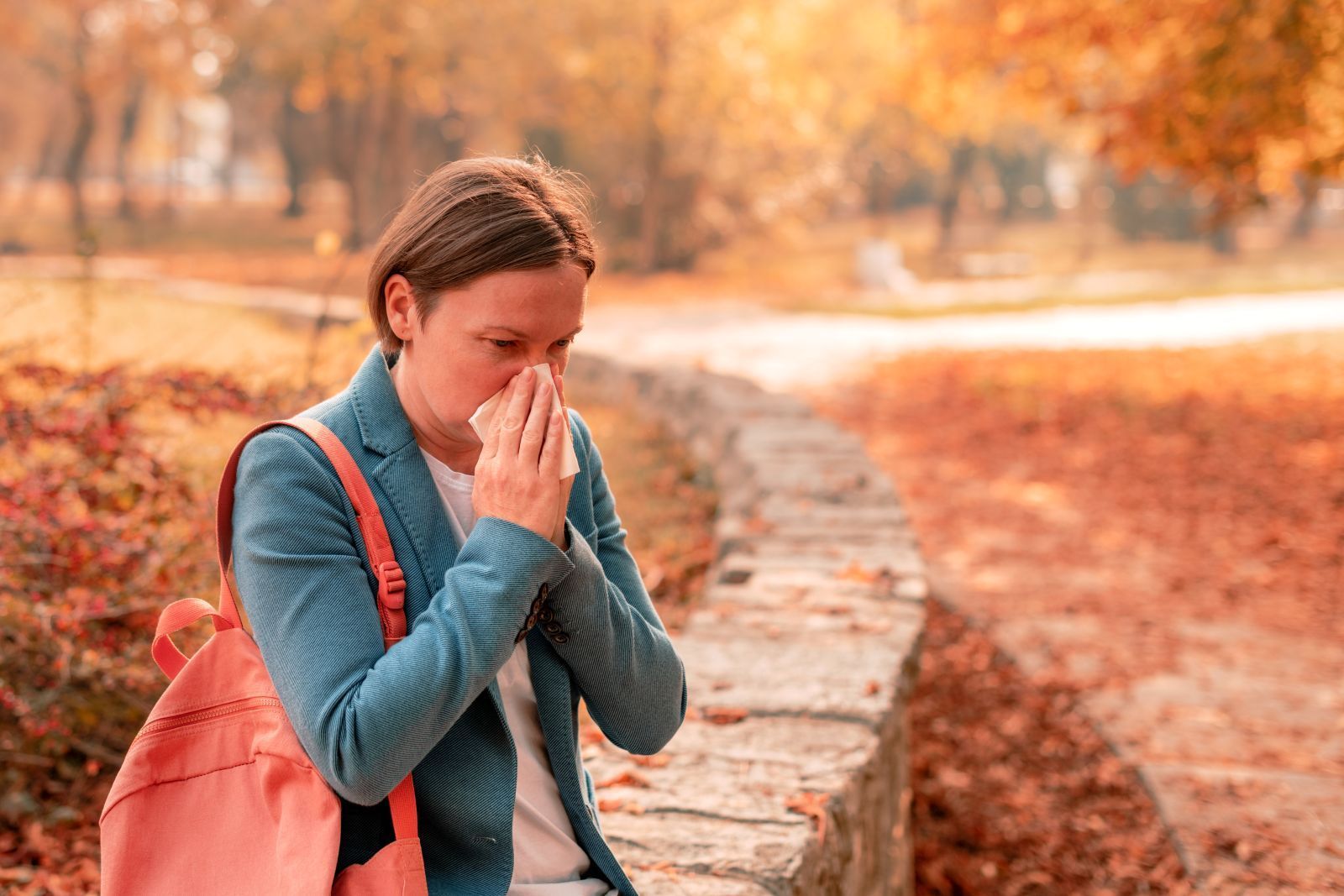
Summer is usually the season of sunshine and outdoor adventures. But for some, it also brings sinus trouble. While most people think of sinus infections as a winter issue, summer sinus infections are real — and they can be just as uncomfortable. Understanding why they occur helps you prevent them and manage symptoms when they occur.
Why Sinus Infections Can Happen in Summer
Even in warm months, your sinuses can get irritated and inflamed. Seasonal allergies to pollen or mold can inflame nasal passages. Spending long hours in air-conditioned spaces can dry out your sinuses, while swimming in pools or lakes can introduce bacteria or irritants.
Sudden changes in humidity or temperature may also trigger inflammation. And underlying issues, like nasal polyps or a deviated septum, can make you more susceptible to repeated infections.
Symptoms to Watch For
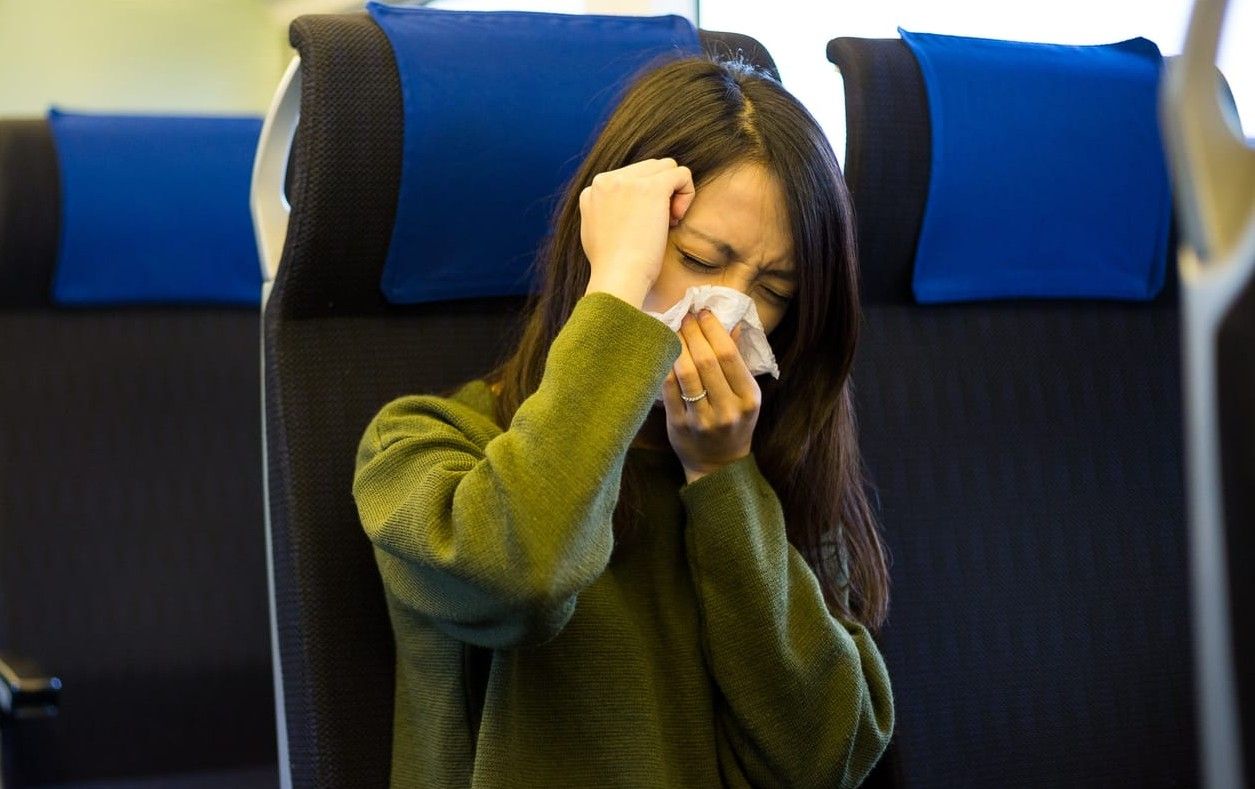
Recognizing a summer sinus infection early can make a difference. Common signs include:
- Facial pain or pressure around your eyes, cheeks, forehead
- Nasal congestion or a runny nose
- Thick yellow or green mucus
- Headaches or fatigue
- Postnasal drip that irritates your throat
Most sinus infections are mild and get better with rest, hydration, over-the-counter remedies, and other self-care. But if symptoms keep returning or worsening, it may indicate an underlying issue that a specialist can evaluate.
Preventing Summer Sinus Infections
You can take practical steps to lower your risk:
- Keep indoor air moderately humid and avoid overly dry AC air
- Use saline sprays or nasal irrigation to rinse your sinuses
- Manage allergies with medications or environmental adjustments
- Stay hydrated and limit alcohol — it can dry out nasal tissues
- Rinse off after swimming and avoid untreated water
When to Consider Seeing a Rhinologist
If sinus infections keep coming back or your symptoms don’t fully resolve, Dr. Thomas S. Higgins can help. As a rhinologist, he can check for chronic inflammation, structural issues, allergies, or other problems that may contribute to repeated infections and recommend targeted treatments to restore sinus health.
Set up an appointment with Dr. Higgins for an evaluation of frequent or recurring sinus infections.
FAQs
Are summer sinus infections common?
They’re less common than winter infections, but can occur — often due to allergies, AC exposure, swimming, or humidity/temperature changes.
Can allergies alone trigger a sinus infection?
Allergies can inflame the sinuses and sometimes lead to infection if mucus builds up and bacteria grow.
Can swimming in pools cause sinus infections?
Yes, chlorine or bacteria can irritate the sinuses or introduce infection, especially if water gets trapped in your nasal passages.
What can help relieve sinus infection symptoms?
Hydration, nasal rinses, OTC medications, and similar approaches can help mild cases, but persistent infections benefit from professional assessment.