
How Indoor Allergens Affect Your Sinuses Year-Round
Indoor allergens can affect the way you feel every day. Allergens trigger inflammation, causing symptoms that range from a runny nose to fatigue and itchiness. In Indiana and Kentucky, where people often spend cold winters and hot, humid summers indoors, indoor allergens are a constant problem. Many people don't even know they're being impacted by indoor allergens, or why they feel so bad. Understanding how indoor allergens affect your sinuses can help you take steps to improve your health and well-being.
Key Takeaways
● Indoor allergens cause inflammation that can lead to sinus trouble.
● Indoor allergens affect people throughout the year, not just during allergy season.
● Maintaining and cleaning your home can reduce the effects of indoor allergens.
● A rhinologist can help you manage chronic sinus problems that result from indoor allergens.
Common Indoor Allergens
There are several types of indoor allergens that people are exposed to in their homes and in indoor public spaces.
- Dust mites: Dust mites are commonly found on upholstery, pillows, and in bedding.
- Pet dander: Pet dander accumulates where pets spend their time, especially on upholstered and carpeted surfaces.
- Mold: Mold is present in damp spaces like kitchens and bathrooms.
How Indoor Allergens Can Cause Chronic Sinus Infections
Indoor allergens can lead to swelling that prevents sinus drainage. When mucus becomes trapped in the sinuses, this increases the risk of infection. As a result, people who live in homes where they are frequently exposed to indoor allergens may experience recurring sinus infections.
Symptoms
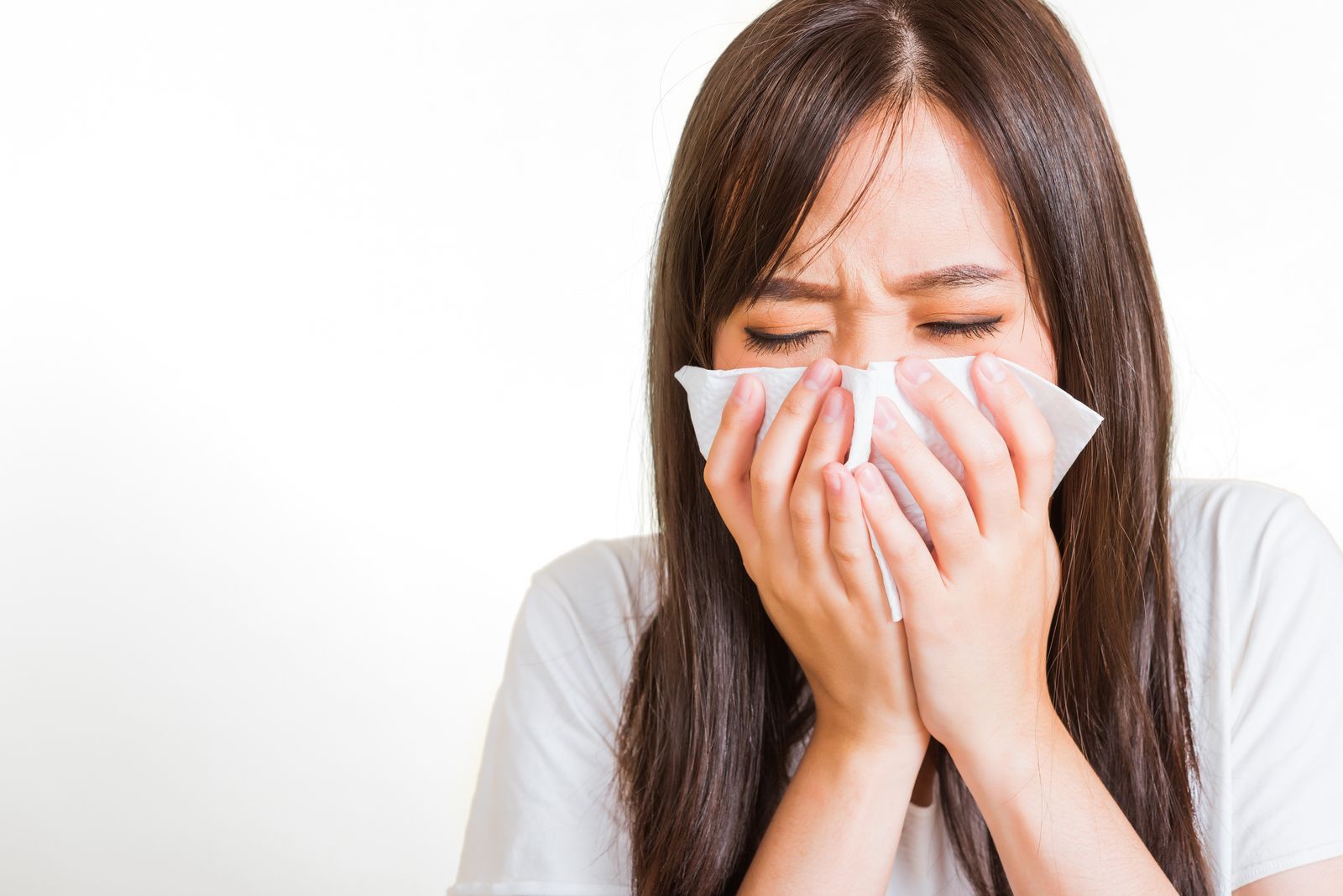
Below are some of the sinus symptoms caused by indoor allergens and dust mite allergies:
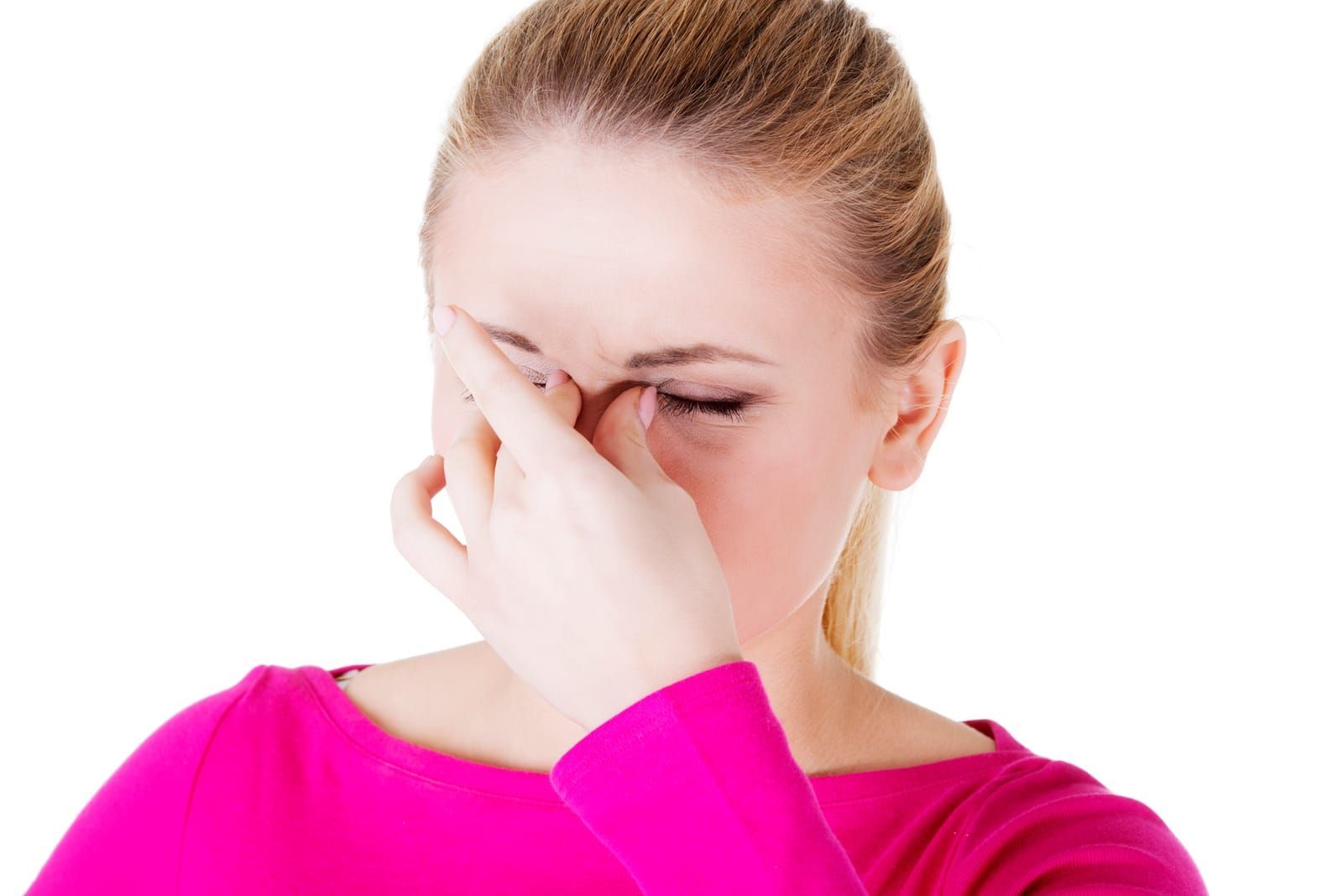
- Sinus pressure
- Chronic congestion
- Dripping or runny nose
- Headaches, pressure, and pain in the face or teeth
- Itchy eyes and nose
- Fatigue
What Can You Do About Sinus Problems From Indoor Allergens?
Clean Your House Regularly
Wash your bedding in hot water to get rid of dust mites. Clean upholstered furniture and curtains regularly as well. Dust all surfaces, vacuum, and mop on a weekly basis.
Use Products that Reduce Allergens
Use an allergen mattress cover and pillow covers to protect your mattress and pillows from indoor allergens. Use a HEPA filter in your home's HVAC system, and replace your filters every three months. Consider getting a HEPA filter for your bedroom or the rooms where you spend the most time.
Maintain Your Home
Address leaks quickly to prevent mold growth. Use the exhaust fans in your bathrooms to prevent mold from developing on your home's walls.
See a Rhinologist
If your symptoms last more than 10 to 12 weeks, or if you experience regular, recurring sinus problems, see a rhinologist. Your rhinologist can provide a diagnosis and treatment to improve your quality of life. Rhinologists use strategies like:
- Saline nasal irrigation
- Minimally invasive procedures to improve sinus drainage
- Allergy immunotherapy
At Higgins Sinus, Dr. Thomas Higgins helps patients manage their condition through personalized treatment plans that can improve quality of life.
Frequently Asked Questions
Can indoor allergies cause sinus infections?
Allergens can cause inflammation that blocks the sinuses and eventually leads to infection.
What are the most common indoor allergens?
The most common indoor allergens are dust mites, mold, and pets.
Do I have to get rid of my pet if I am allergic to it?
Not necessarily. Some people are able to manage their pet allergies by excluding their pet from their bedroom, cleaning their house regularly, and seeking allergy treatment.
Contact Dr. Higgins for Treatment of Sinus Symptoms Indoors
Persistent indoor allergies can contribute to problems like chronic sinus inflammation. Dr. Higgins can help manage sinus symptoms indoors by addressing problems like dust mite allergies at their source. Contact us to make an appointment for an evaluation.