
Can Changing the Air You Breathe Improve Your Sinus Health?
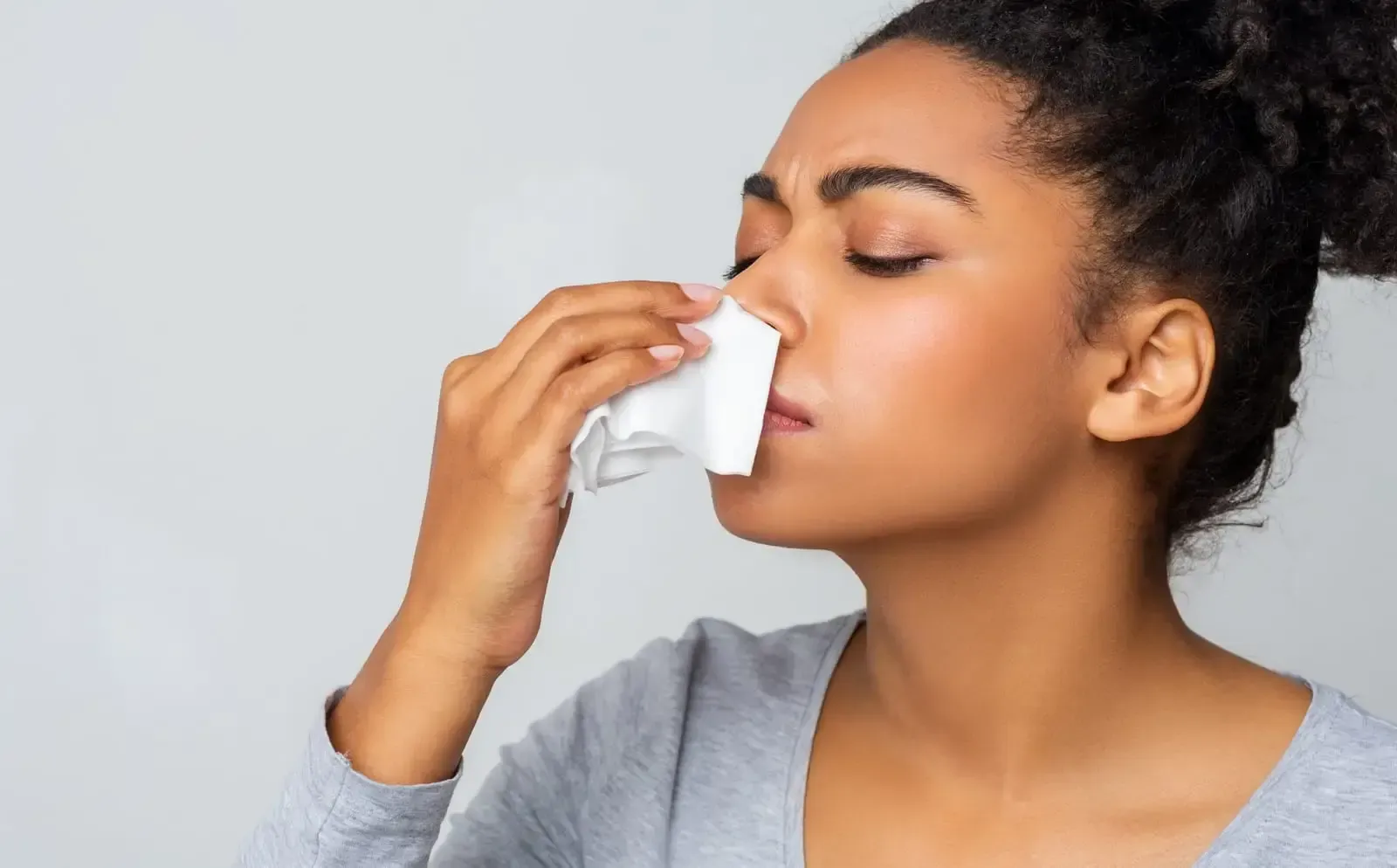
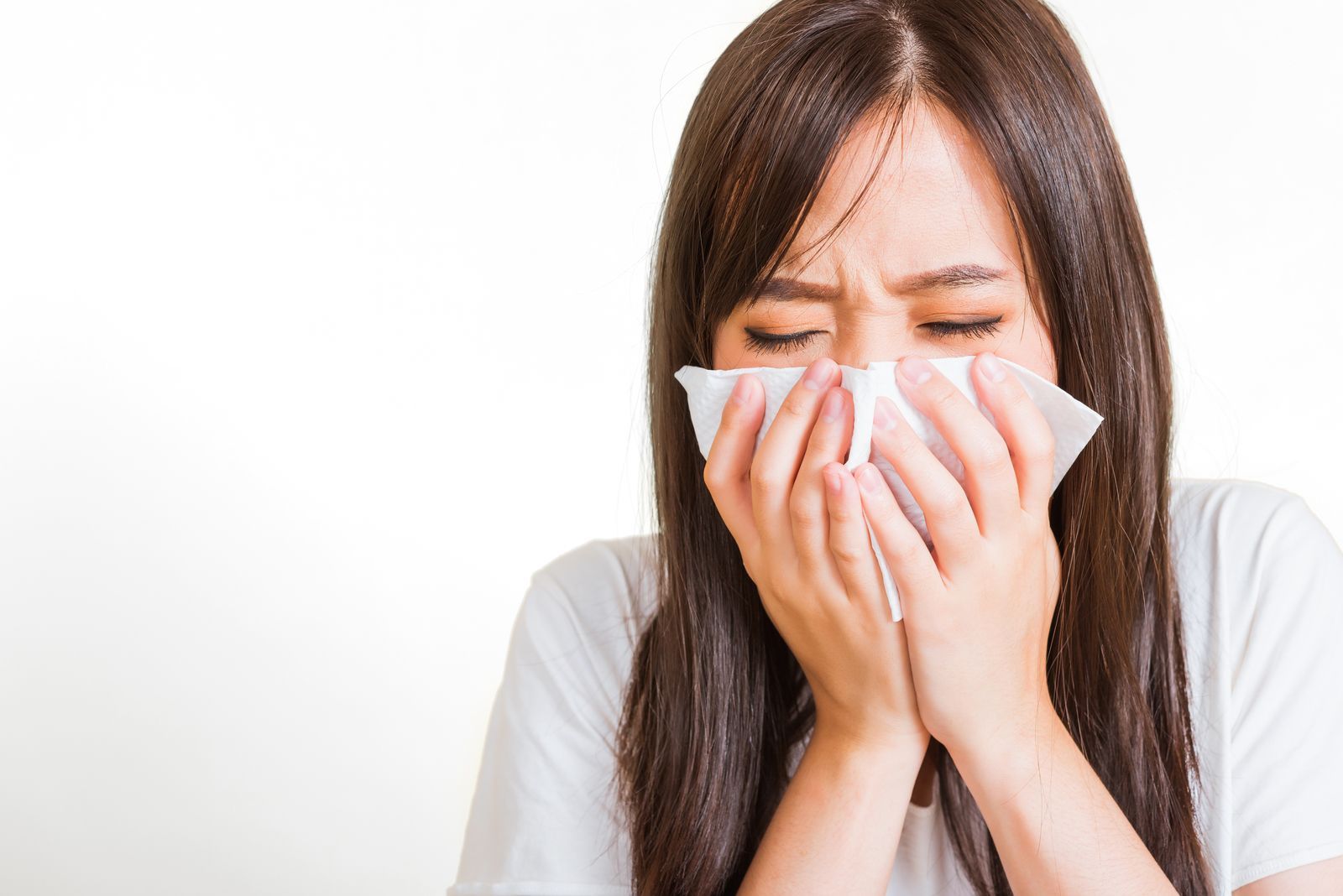
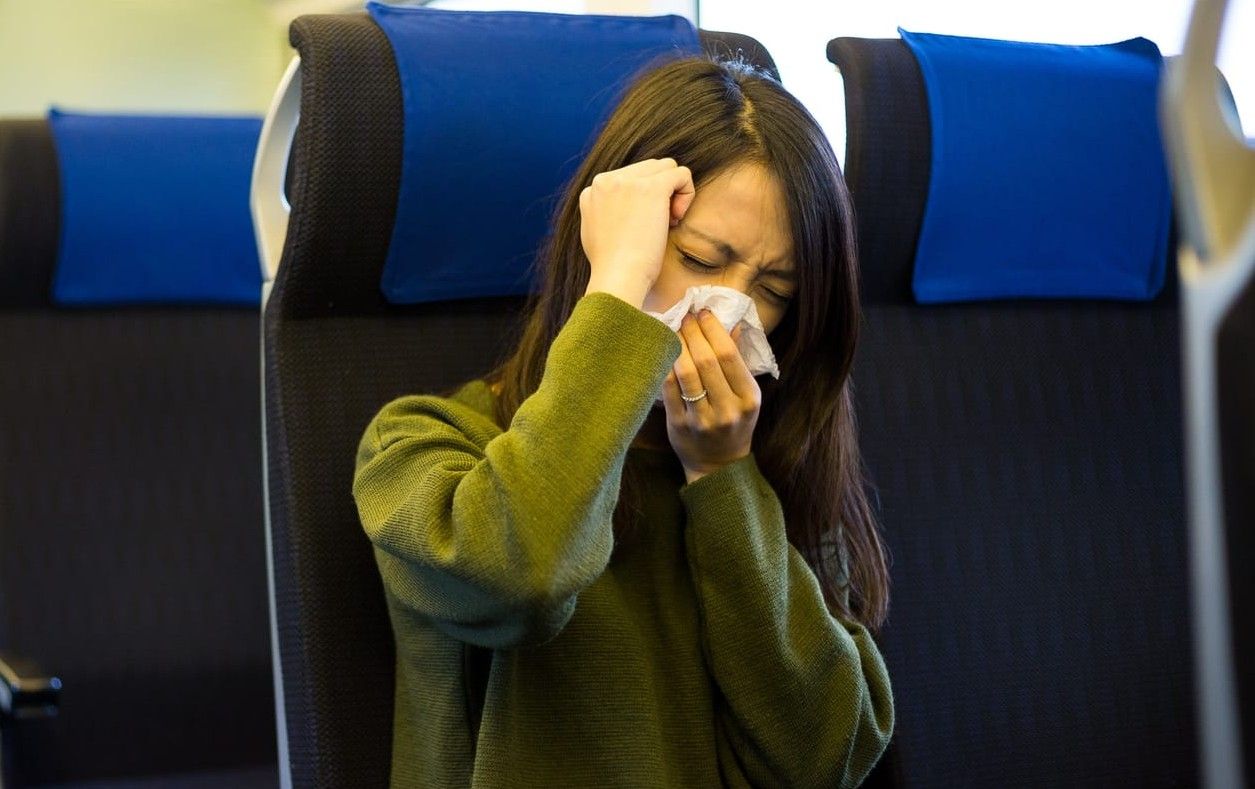
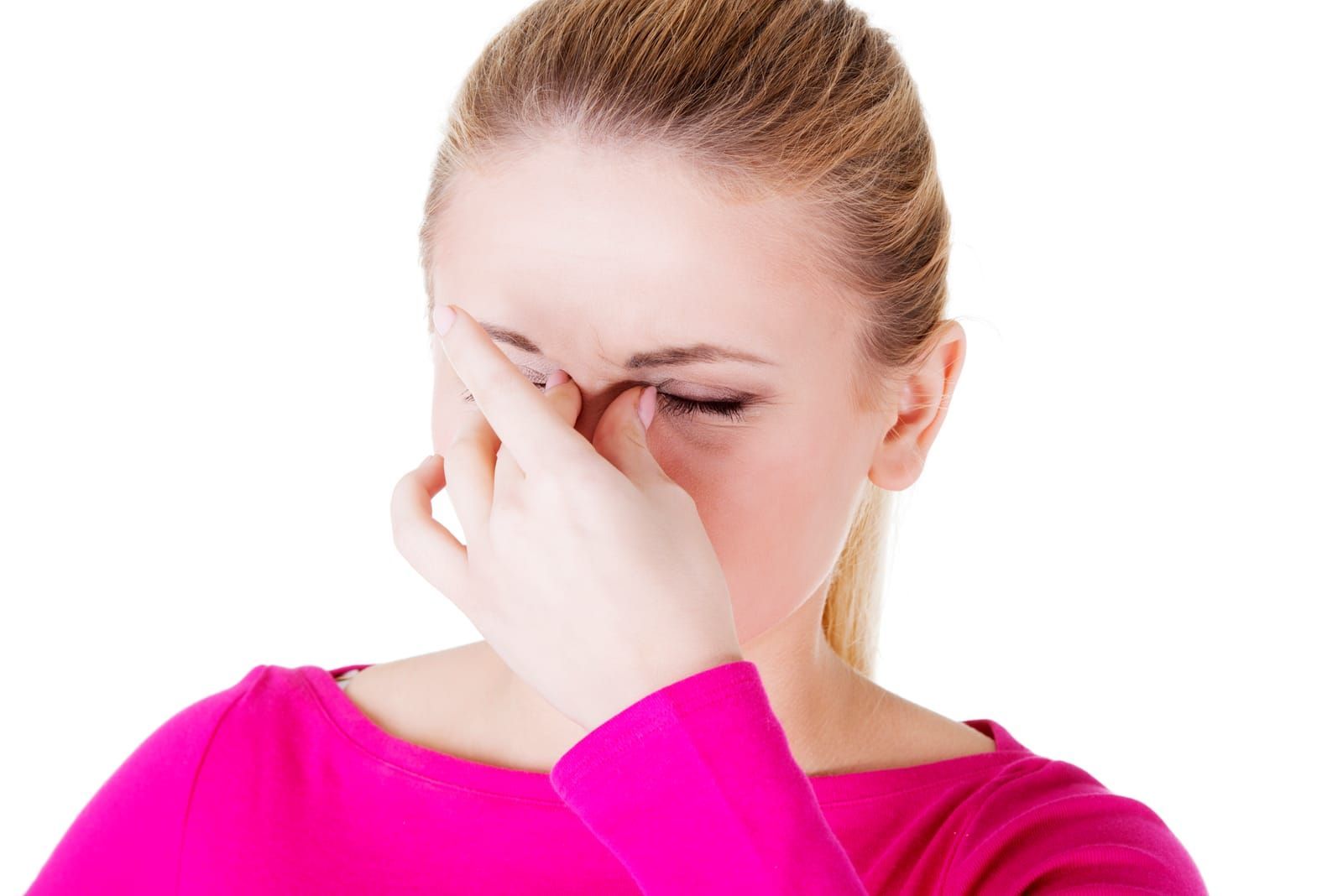
Sinus problems can have a variety of causes. For many patients, air quality is a factor that affects their sinus health. Treating allergy and sinus symptoms works best when patients take steps to improve their air quality.
Key takeaways from this article:
● Good air quality can increase comfort, reduce inflammation, and reduce the risk of sinus infection.
● If you suffer from chronic sinus trouble, improving the air you breathe can improve your sinus health.
How Air Quality Impacts Your Sinuses
The sinuses use mucus to filter and humidify the air you breathe. Breathing dry, polluted, allergen-rich air can trigger inflammation and an unmanageable buildup of mucus inside the sinuses. Often, people who suffer from allergy flare-ups and problems like chronic sinusitis can manage their symptoms by improving the air they breathe.
Common Air Irritants That Affect Sinuses
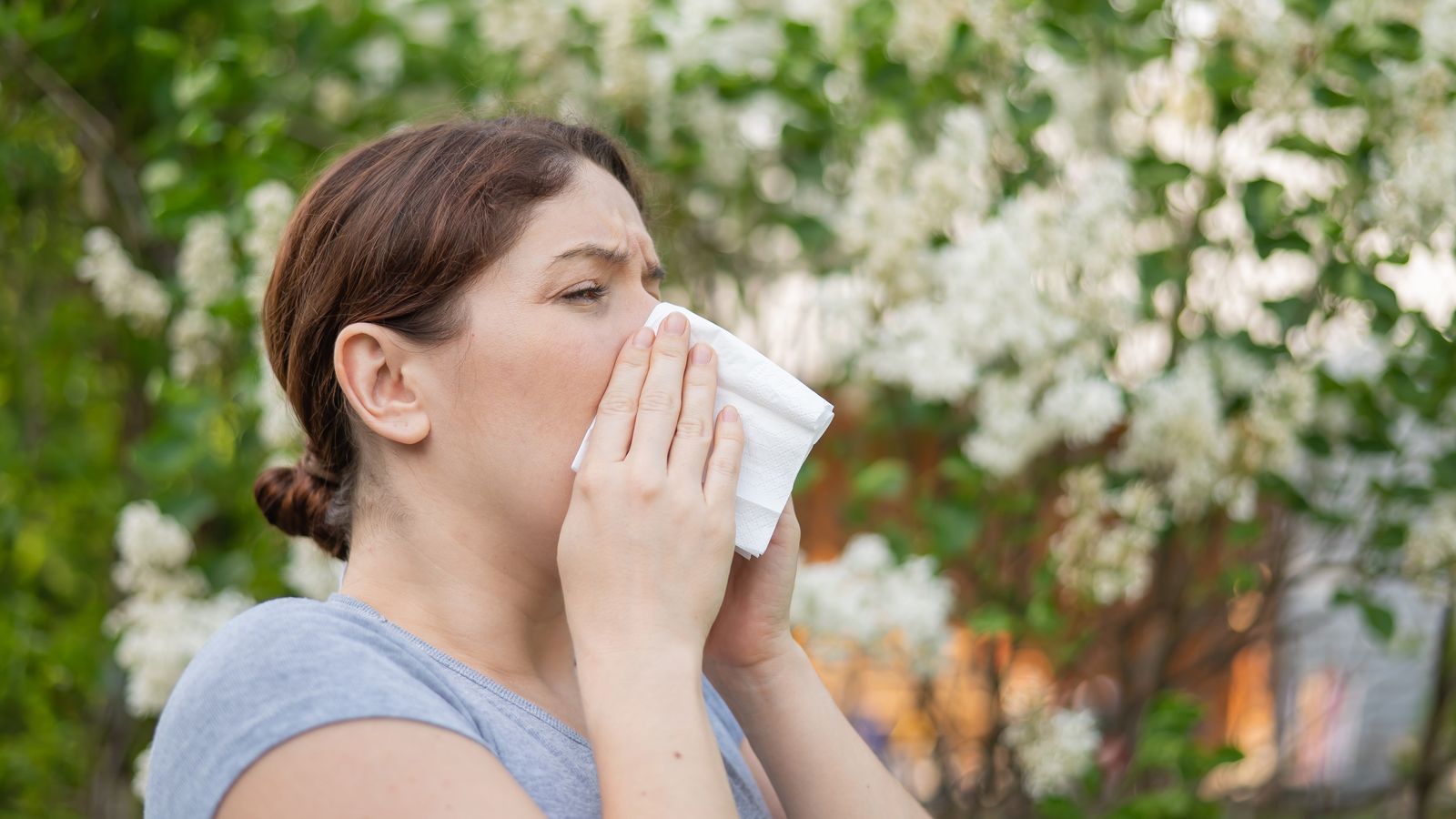
Air irritants are all around us, in our homes and outdoors. While the type of air irritants that affect people can vary from one person to the next, some air irritants are known for triggering people with allergies. Here are some of the irritants found inside and outside:
- Pet dander
- Mold spores
- Dust mites
- Smoke
- Pollution
- Pollen
- Cleaning chemicals
For many people, these irritants do more than trigger allergy symptoms. They also affect their sinuses and their overall health. By triggering a strong mucus response, these irritants can cause inflammation that leads to clogs in the sinuses, leaving patients feeling plugged up and miserable.
How to Improve Indoor Air for Sinus Health
There are many things you can do to improve your indoor air quality.
- Improve air filtration: Use a combination of HEPA filters, regular HVAC maintenance, and portable air filters to improve your indoor air quality.
- Clean regularly: Vacuum your home with a high-powered HEPA vacuum, wash bedding frequently in hot water, and dust your home regularly.
- Maintain a properly humid environment: Maintain a home humidity between 30 and 50% to prevent dryness inside your sinuses and nasal passages.
- Keep pets out of the bedroom: Limit pet access to areas of your house where you do not sleep.
If you live with someone who smokes, ask them to please smoke outside the house to improve your indoor air quality.
How to Stay Healthy Outdoors
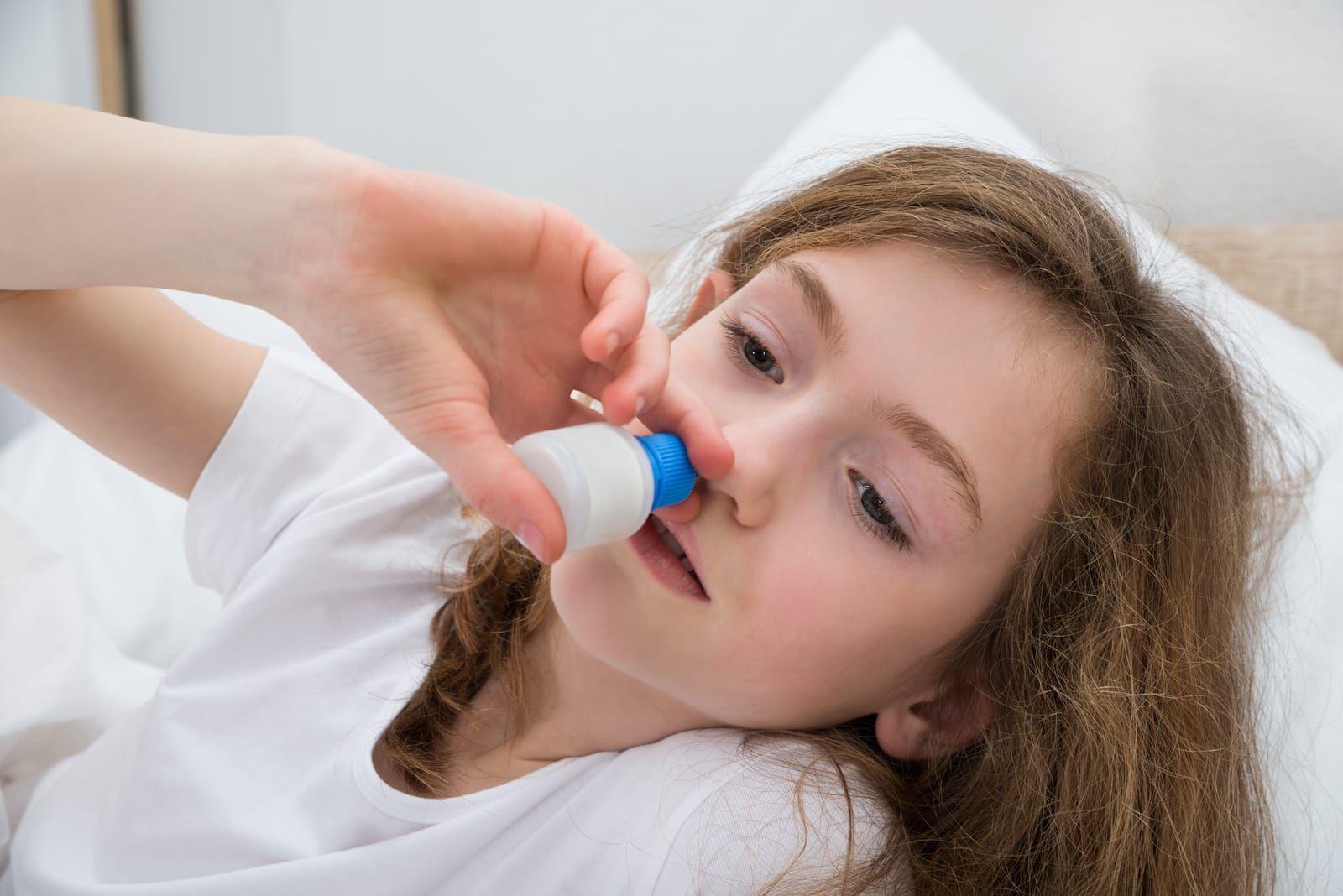
Tracking pollen counts via a weather app on your phone makes it easier to avoid outdoor activities on high pollen count days. If you do spend time outside, shower when you come indoors, and rinse your nasal passages to remove allergens and particles. Consider using a mask for outdoor activities like gardening.
When to Contact an ENT
While making changes to your indoor environment and outdoor activities can help you avoid sinus problems, these changes are not always enough to prevent sinus infections.
If you suffer from chronic sinusitis, this problem may be the result of structural issues inside your sinuses. Dr. Higgins can evaluate your sinuses and recommend a treatment plan to help, including prescription nasal sprays and sinus surgery. If you regularly suffer from sinus infections, consult with a professional.
Breathe Cleaner, Feel Better
When you improve indoor air quality sinuses can improve. This season, take small steps to improve the air quality in your home. Use humidity control, HEPA filters, and regular cleaning to make your house a safer place for your sinuses.
Working with an experienced ENT can also improve your quality of life. Contact Dr. Higgins to get started with a consultation.