
What to Expect During Nasal Polyp Evaluation and Treatment
What to Expect During Nasal Polyp Evaluation and Treatment
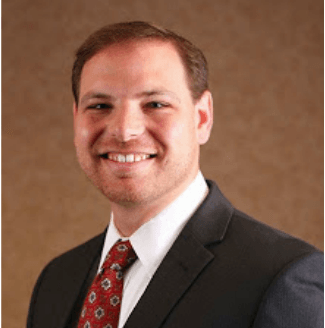
Noncancerous tissue growths called nasal polyps may block nasal passages and lead to long-term congestion, sinus infections, and a decreased sense of smell. Detection of polyps involves a nasal examination and possibly imaging scans to determine the size and location of polyps. When Louisville and Jeffersonville residents need nasal polyp treatment, they depend on board-certified otolaryngologist-rhinologist Dr. Thomas Higgins to help ease discomfort caused by polyps.
Why Do Some People Get Nasal Polyps?
Nasal polyps are soft, noncancerous growths whose growth is triggered by inflamed nasal tissue. They typically appear in adults with allergies, asthma, or chronic sinus inflammation, although genetics may play a role in their development. On Imaging scans , polyps look like tiny, hanging teardrops inside nasal passages. You could have polyps that are not large enough to cause chronic congestion or recurring infections. However, if polyps increase in size, they can start to cause symptoms that require nasal polyp treatment.
What Happens During Polyp Evaluation?
Dr. Higgins will conduct a comprehensive review of your symptoms and current health conditions, including any history of allergies, asthma, or recurring sinus infections. A nasal endoscopy is used to visualize the polyps and assess their size and location. CT scans may be needed to provide a clearer view of the nasal passages and sinuses. Combining visual examination and imaging ensures an accurate diagnosis so that the treatment plan is successful.
Nasal Polyp Treatment
Medications such as nasal corticosteroid sprays are often recommended to initially reduce inflammation and shrink polyps. Oral corticosteroids or other anti-inflammatory treatments may be prescribed for more severe cases. If symptoms persist despite the use of medications or Dr. Higgins finds that polyps are significantly obstructing the nasal passages, surgical removal of the polyps may be needed.
What is Endoscopic Sinus Surgery?
Endoscopic sinus surgery (ESS) is typically performed under general anesthesia and can take between one and three hours, depending on the number and size of nasal polyps needing to be removed. Postoperative recovery involves mild discomfort, some nasal congestion, and the use of saline irrigations to keep passages clean.
Frequently Asked Questions
Are nasal polyps cancerous?
No. Nasal polyps are noncancerous growths that emerge from inflamed tissue in the nasal passages.
How long does it take to recover from nasal polyp surgery?
Most patients experience mild discomfort for several days but can resume their normal activities fairly quickly. Complete healing of polyp removal sites may take several weeks.
Can nasal polyps come back after treatment?
Polyps may recur, particularly in patients with allergies or chronic sinus inflammation. Keeping all follow-up appointments is important for treating polyps as soon as they are detectable.
Is endoscopic sinus surgery painful?
Most people tolerate ESS well, managing minor discomfort with medications and postoperative care.
If you suffer from chronic sinus problems and suspect you may have nasal polyps, schedule an appointment with Dr. Higgins today for an evaluation at his Jeffersonville or Louisville location.