Sinus Doctor for Seasonal Allergies & Sinus Pressure | Higgins Sinus
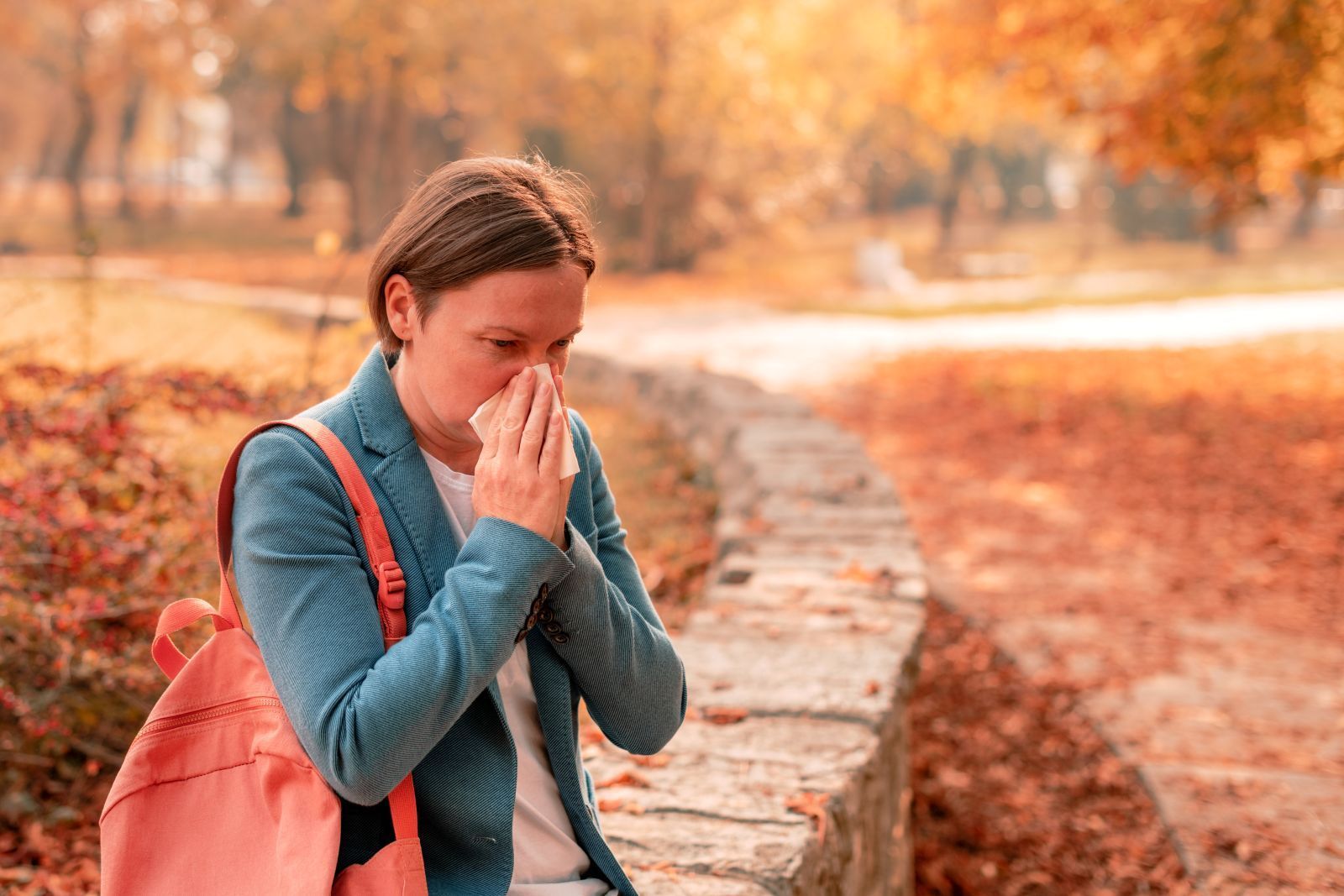
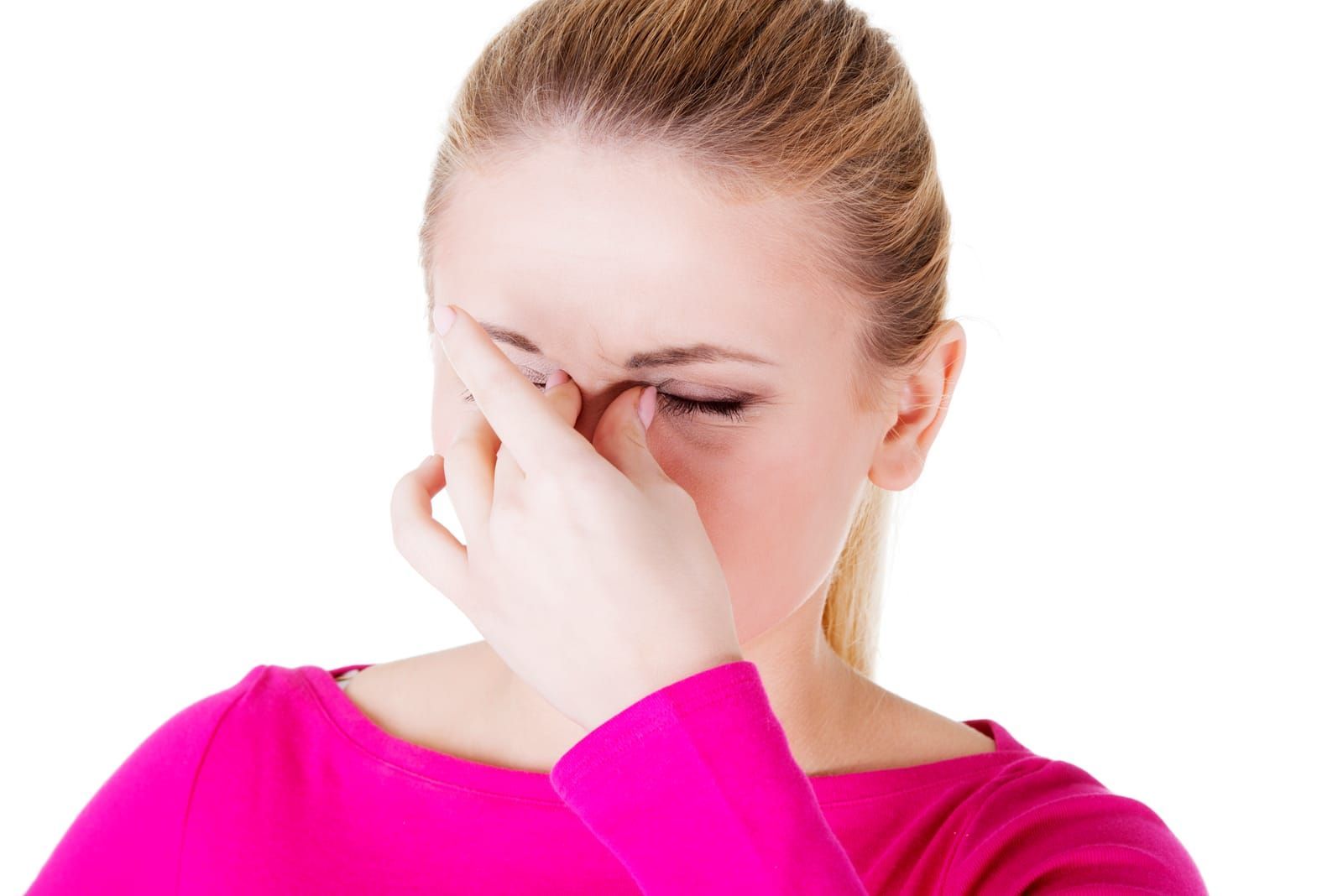
Seasonal allergies can do more than cause sneezing and itchy eyes. For many patients, allergies trigger significant sinus pressure, congestion, and even recurring sinus infections. If over-the-counter medications are no longer working, it may be time to see an experienced sinus doctor.
How Seasonal Allergies Affect Your Sinuses
Your sinuses are air-filled cavities that produce mucus to trap dust, pollen, and environmental irritants. During allergy season, your immune system reacts to triggers like pollen, mold, and dust. This reaction causes inflammation and swelling in the nasal passages.
When swelling blocks normal sinus drainage, mucus builds up and creates pressure. This can lead to:
- Facial pain and sinus pressure
- Nasal congestion
- Postnasal drip
- Headaches
- Fatigue
- Reduced sense of smell
- Recurring sinus infections
If these symptoms persist, worsen, or frequently return, evaluation by a sinus specialist can help prevent long-term complications.
Is It Allergies or Chronic Sinusitis?
How can you tell the difference between an allergy and chronic sinusitis? Allergies come and go with the changing pollen, but chronic sinusitis lasts 12 weeks or more. During that time, you'll notice cloudy drainage from your nose, fever, pain, toothaches, pressure around your face and eyes, and other problems
.
How to Prepare for Allergy Season
Preparing for allergy season can help reduce the impact on your sinuses, improving your overall quality of life. If you predictably suffer from seasonal allergies at the same time each year, making changes at home and the workplace can help create an environment that's better for your body.
- Change air filters: Change the air filters in your HVAC system to filter more dust and pollen from the air.
- Use HEPA filters: HEPA stands for "high efficiency particulate air." These filters remove small particles from the air and can help reduce allergy symptoms.
- Keep windows closed: When the pollen is high, keep your windows closed to protect your indoor environment.
Staying hydrated and limiting your outdoor exposure during peak pollen hours can also help prevent a strong allergic response. Shower after outdoor activities to remove unseen pollen from your clothes and hair.
How to Treat Sinus Problems from Allergies
While there is a range of over-the-counter medications that can help reduce your allergic response, your doctor may prescribe more powerful medications, including decongestants, nasal sprays, and allergy medications.
Advanced treatments include allergy testing and immunotherapy to reduce your response to allergens. If you suffer from chronic sinus blockage, a balloon sinuplasty can improve drainage and reduce or stop symptoms.
Chronic sinus problems often don't go away by themselves. If you suffer from sinus problems stemming from your seasonal allergies, an experienced ENT doctor can help you find relief.
Find Relief at Higgins Sinus
Working with a trusted sinus doctor can provide long-term relief and help prevent chronic inflammation before it worsens. If you struggle with sinus pressure, recurring infections, or persistent congestion during allergy season, expert care can make all the difference.
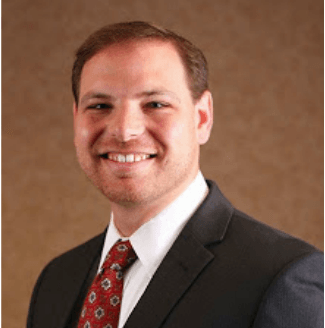
At Higgins Sinus, Dr. Higgins and his team specialize in comprehensive sinus care, including advanced allergy management, chronic sinusitis treatment, and minimally invasive balloon sinuplasty. Our goal is not just temporary symptom relief — but lasting improvement in your breathing, sleep, and overall quality of life.
Relief starts with the right diagnosis — and the right specialist. Schedule your consultation today and take the first step toward clearer breathing.