Chronic Sinusitis vs. Seasonal Allergies: How to Tell the Difference
Many people confuse the symptoms of chronic sinus problems with seasonal allergies, and understandably so. Both conditions involve the stuffy-nose feeling that comes with inflammation of the nasal passages. If you want to feel better, you must get to the root cause of the problem. That starts with being able to tell the difference between chronic sinusitis and seasonal allergies.
Sinusitis vs Allergies: Consider Your Symptoms First
There are a few telltale signs of each condition that can help you differentiate them. Sinusitis is an umbrella term for inflammation of the sinuses, which are the hollow cavities behind your nose, around your eyes, and in your cheekbones.
The cause of this inflammation can vary from infection to environmental allergies, such as dust mites. The symptoms, however, are mostly the same regardless of the reason. Some of the symptoms unique to sinusitis include:
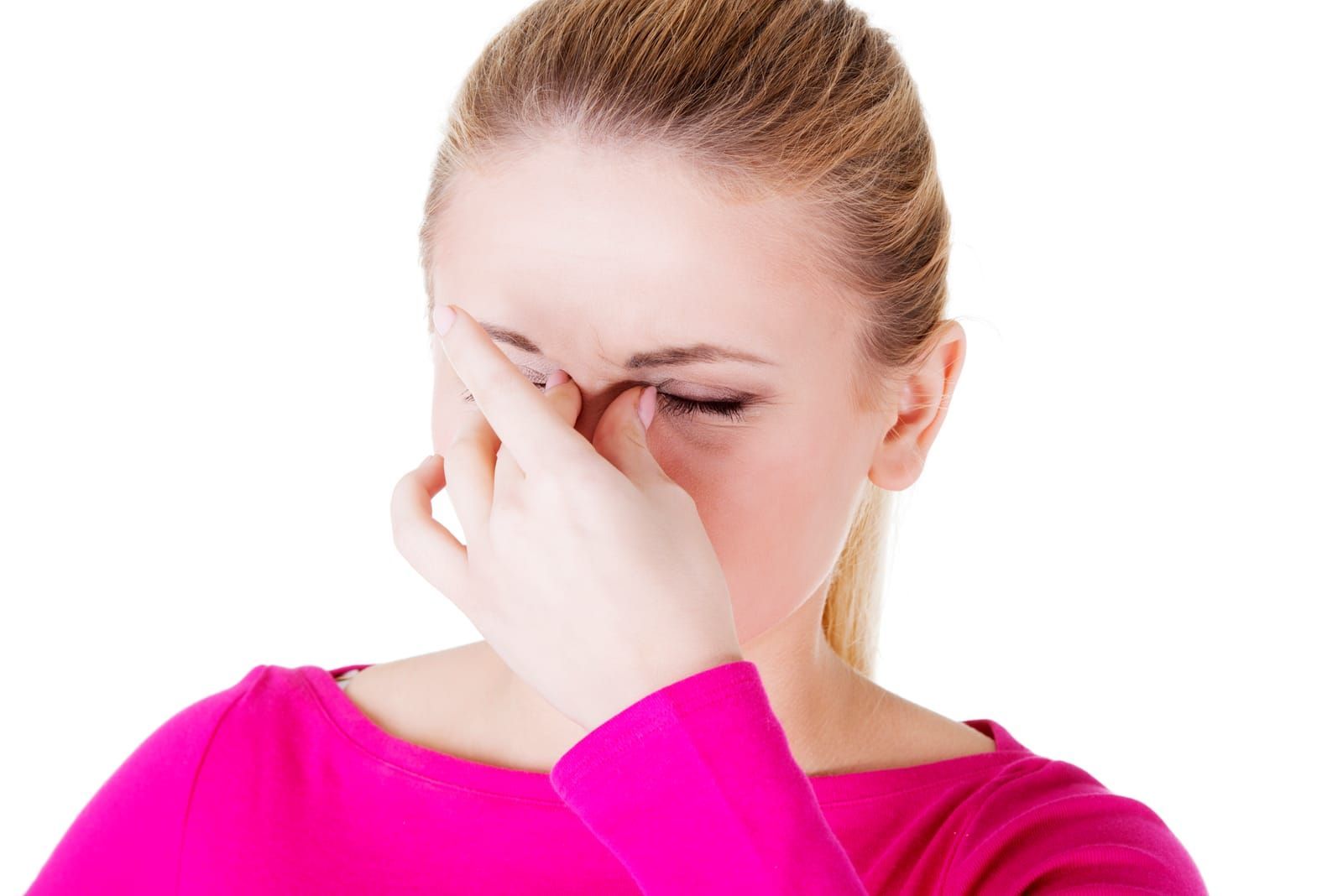
- Pain around the forehead, eyes, and cheeks
- Bad breath
- Cough
- Sore throat
- Postnasal drip that tastes bad
- Light fever
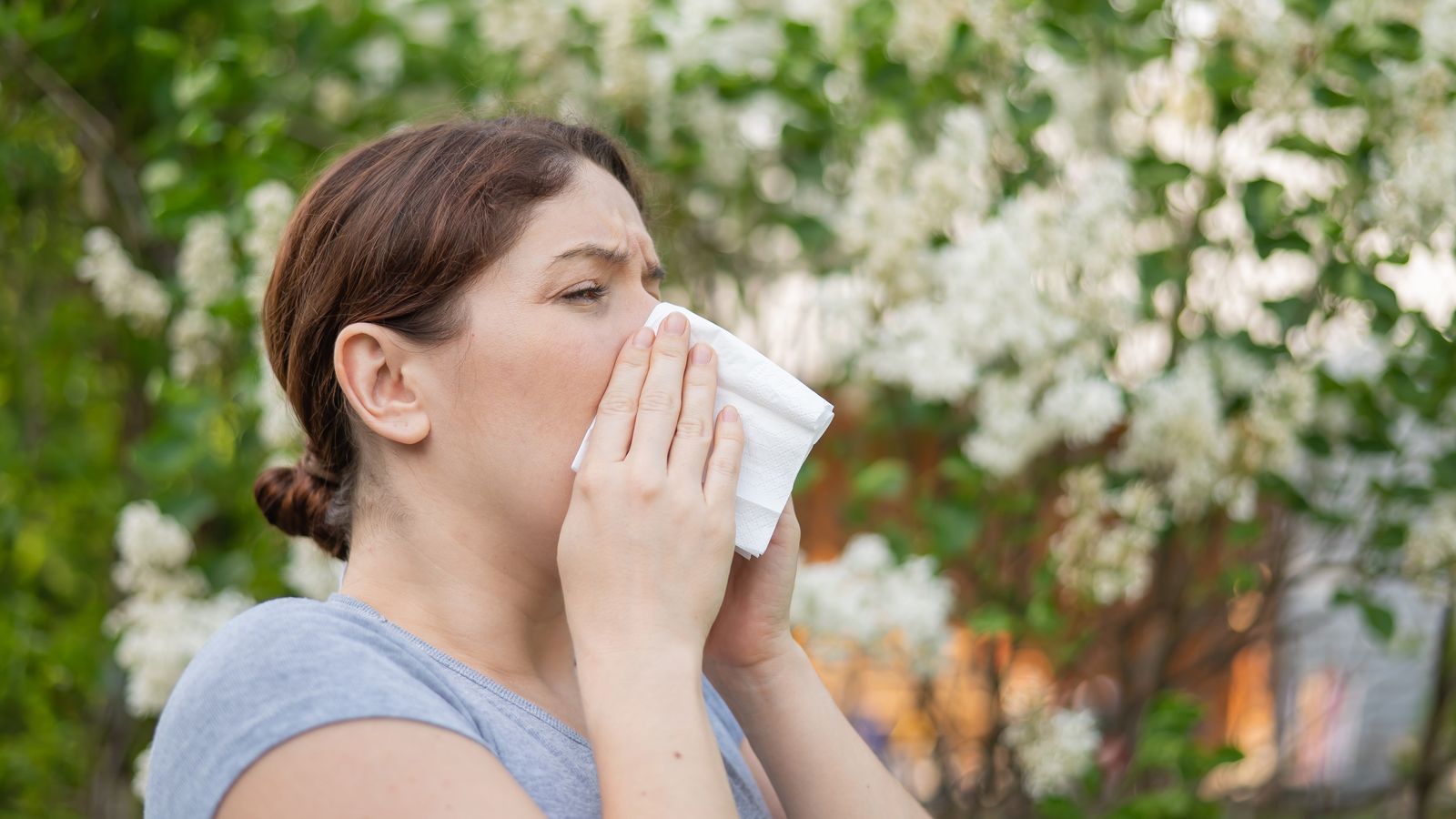
Seasonal allergies are an immune system reaction to an allergen, such as pollen. Some standout symptoms for allergies include:
- Itchy eyes
- Wheezing
- Sneezing
- Other signs of a reaction, such as hives
You may experience a stuffy or runny nose with bothchronic sinusitis and seasonal allergies.
Timing Is Everything with Seasonal Allergies
As the name suggests, seasonal allergies occur around the same time every year. For example, if you experience symptoms every spring, then you may be allergic to pollen from the budding trees. In early summer, the allergen may be grass pollen; in the fall, ragweed. The symptoms will also disappear on schedule as the allergens clear the air. Chronic sinusitis is less predictable.
Do Antihistamines Help?
Antihistamines are commonly used to treat seasonal allergies. They work by blocking histamine, a chemical the body releases when it reacts to allergens.
Antihistamines can help relieve symptoms such as:
- Sneezing
- Itchy eyes
- Runny nose
However, antihistamines usually do not relieve chronic sinusitis symptoms, because sinusitis often involves infection, structural blockage, or long-term inflammation.
Can You Have Both Chronic Sinusitis and Seasonal Allergies?
Yes, it is possible to have both chronic sinusitis and seasonal allergies.
In fact, allergies can sometimes lead to sinus infections. When allergic reactions cause swelling in the nasal passages, the sinuses may become blocked. This prevents normal drainage and allows bacteria to grow, increasing the risk of sinusitis.
If you have allergies and begin experiencing facial pain, fever, or thick nasal discharge, it may indicate a sinus infection developing on top of allergy symptoms.
Frequently Asked Questions (FAQ)
Do antibiotics treat allergies?
No, antibiotics treat infections. Allergies are an immune system response to an allergen. You might take antibiotics for chronic sinusitis, but you won’t usually take them for seasonal allergies.
When should you see a specialist for sinus problems?
If you are unsure whether you have sinus problems or allergies, see a specialist like Dr. Higgins, who can provide insight. You also want to make an appointment if your symptoms do not clear up within a few weeks.
Schedule Your Appointment with an ENT Specialist
If you are experiencing persistent sinus symptoms and are unsure whether they are caused by chronic sinusitis or seasonal allergies, a professional evaluation can help.
Dr. Thomas Higgins provides expert diagnosis and treatment for sinus conditions, nasal congestion, and allergy-related sinus problems.
Schedule an appointment today to determine the cause of your symptoms and start the right treatment.