
Is a Sinusitis Infection Contagious?
Sinus infections (sinusitis) are common and may occur as a primary infection or due to an underlying condition. When a “sinus infection affects someone,” the common question coming from their friends and family is: "Is sinusitis contagious?” It depends on how your infection started.
Keep reading to find out the details.
What Is a Sinusitis Infection?
Sinusitis is a common respiratory disease that affects the sinuses. The sinuses are air-filled spaces in your face and head that help to drain mucus from your nose. They also help to warm, moisten, and filter air before it goes into your lungs. The infection occurs when the tissue lining the sinuses becomes inflamed, causing pain, pressure, and headaches. Bacteria, viruses, fungi, allergies, and conditionals like nasal polyps can cause sinusitis.
Symptoms of Sinusitis Infection
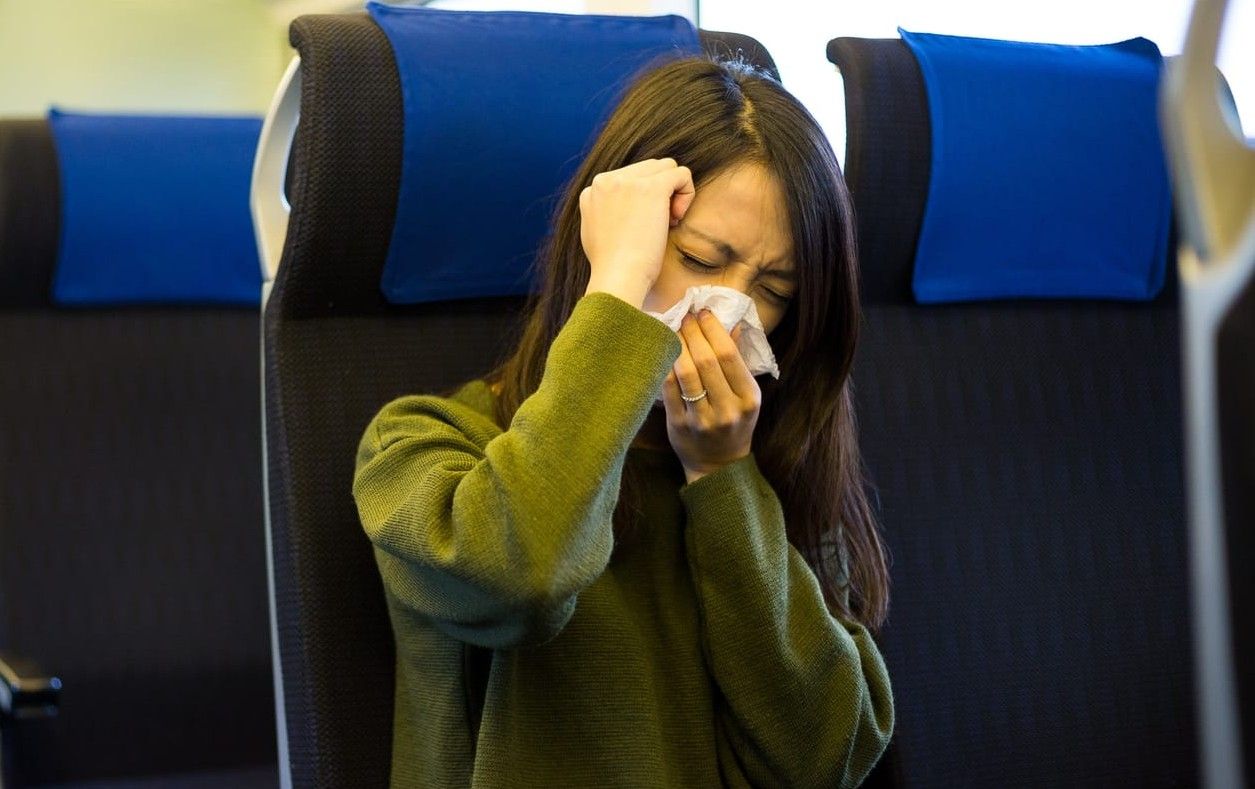
The most common symptoms of a sinus infection include:
● Nasal inflammation
● Headache
● Colored discharge
● Blocked or stuffy nose
● Pain and swelling around the nose and forehead
● Sore throat
The symptoms change based on the level of infection, and a chronic sinusitis infection is one that lasts over 12 weeks.
Is a Sinus Infection Contagious?
The answer to this question is yes—a sinus infection is contagious, whether it’s a viral cold, bacterial sinusitis, or fungal sinusitis. When your sinuses are blocked by mucus, bacteria can build up and cause an infection. However, sinusitis is not always from an infection. Sometimes swelling occurs in the sinuses, just as it occurs in asthma, which can lead to nasal polyps or chronic sinusitis. These inflammatory conditions are not contagious.
How are Sinus Infections Transmitted?
Sinusitis, when caused by a microbe, can be passed on by coughing, sneezing, or touching an infected person. If you have a sinus infection, then you may spread the virus or bacteria to others through body fluids such as saliva or mucus. Other ways sinusitis spreads include sharing cups and utensils and touching surfaces where someone with sinusitis has coughed or sneezed. Sinus infections can be transmitted through various means, with some causes being contagious and others not. Non-contagious causes of sinusitis include factors like a narrow nasal passageways or inflammation.
How to Prevent the Spread of Sinus Infection?
Here are some tips to help prevent the spread of sinusitis:
● Wash your hands frequently with soap and water for 20 seconds, especially after coughing or sneezing.
● Avoid touching your face with unwashed hands as much as possible.
● Make sure you cover your mouth and nose when you sneeze.
When Should You See a Doctor for a Sinus Infection?
You should seek a doctor's advice when symptoms become severe and you have had the symptoms for more than ten days. If you develop symptoms like severe headaches or a fever that lasts for more than three days, it is time to seek medical care.
How Can a Sinus Specialist Help Treat Sinus Infections?
A sinus specialist can help relieve your sinus infections with advanced treatment of sinus infections. Rhinologists are skilled in identifying and addressing the root causes of sinus infections, offering both symptom relief and long-term solutions. By thoroughly evaluating your condition, they can provide personalized treatment options to alleviate your symptoms and prevent future infections. Additionally, a sinus specialist can determine if you are contagious and provide guidance on containing the infection. They can also recommend when sinus surgery could be helpful to treat your recurrent or chronic sinus infections.
If you are looking for an experienced doctor to help you with chronic sinus infections, contact the sinus specialist Dr. Thomas S. Higgins, MD, MSPH. Dr. Higgins is an experienced ENT surgeon who will perform a complete assessment of your problems and develop an effective plan to help you breathe better. Call 502-894-8441 or click here to book an appointment.
Thomas S. Higgins, MD, MSPH
Father. Husband. Sinusitis Nerd.
FAQs About Sinus Infections and Contagiousness
What is a sinus infection?
 Button
A sinus infection, also known as sinusitis, occurs when the nasal cavities become swollen and inflamed. This can result from a virus, bacteria, or even allergies, leading to symptoms like a stuffy nose, cough, headache, facial pressure, and more.
Are sinus infections contagious?
ButtonYes, sinus infections are contagious. Any infection is contagious if you are exposed to the microbe. Viral infections tend to occupy the nasal cavity, making them highly contagious when you sneeze or cough.
Bacterial sinus infections can be contagious when drainage is expelled from the nose. Typically, bacterial infections cause thick yellow or green purulent secretions. While some information on the internet reports that bacterial sinus infections are not contagious, this information falsely assumes that all bacterial infections are closed off in the sinus cavities.
Sinusitis caused by allergies are not contagious. However, it should be noted that sinusitis is inflammation of the sinus cavities and may be infectious or not. A sinus infection caused by allergies would be contagious because it is an infection (and all infections can be contagious).
Much of the content on the internet for the contagiousness of a sinus infection is incorrect. Sinus infections are contagious, regardless if it is viral, bacterial, or fungal. The contagiousness may vary by type of microbe or the immune susceptibility of the person.
How do viral sinus infections spread?
ButtonViral sinus infections spread in similar ways to colds and flu. They can be transmitted through:
- Airborne droplets when an infected person coughs or sneezes.
- Direct contact with an infected person or contaminated surfaces.
Is sinusitis contagious?
ButtonSinusitis is not necessarily contagious because it represents inflammation of the sinuses with or without infection. Sinusitis from type 2 inflammation, for example, is the type of sinus swelling that occurs with nasal polyps and allergies. This condition is non-infectious.
However, sinusitis caused by bacterial infection may be contagious if the bacteria are spread through contact or droplets to another person. This mechanism is the way MRSA sinusitis may be spread throughout a facility.
Are fungal sinus infections contagious?
ButtonFungal sinus infections are generally not contagious from person to person. Fungal sinus infections often result from inhaling fungal spores from the environment.
Are bacterial sinus infections contagious?
ButtonBacterial sinus infections tend to be less contagious than viral sinus infections; however, bacteria can be transmitted to others through direct contact with infected secretions.
Staphylococcus aureus, including MRSA (Methicillin-resistant Staphylococcus aureus), can be spread between individuals through direct contact or contact with contaminated objects. While MRSA is known for causing skin infections, it can also cause sinus infections.
Streptococcus pneumoniae and Haemophilus influenzae are common bacteria that can lead to sinus infections. These bacteria are part of the normal flora of the upper respiratory tract in some individuals and can cause sinusitis if they proliferate excessively, often following a viral infection.
The transition from mere presence of bacteria to an active sinus infection involves both environmental factors (e.g., allergens, pollutants) that may irritate the sinuses and host factors (e.g., immune system status, presence of nasal polyps, or other structural issues). These conditions can predispose individuals to develop sinus infections more readily when exposed to bacteria.
In summary, while the transmission of the bacteria that can cause sinus infections does occur, the development of a bacterial sinus infection is more complex and involves an interplay of factors related to the individual's health, environmental exposures, and prior or concurrent infections. It's also important to remember that preventive measures like good hand hygiene, avoiding close contact with sick individuals, and maintaining overall respiratory health can decrease the risk of both acquiring and transmitting respiratory pathogens.