What Allergy Season Means for Your Sinuses (And How to Prepare)
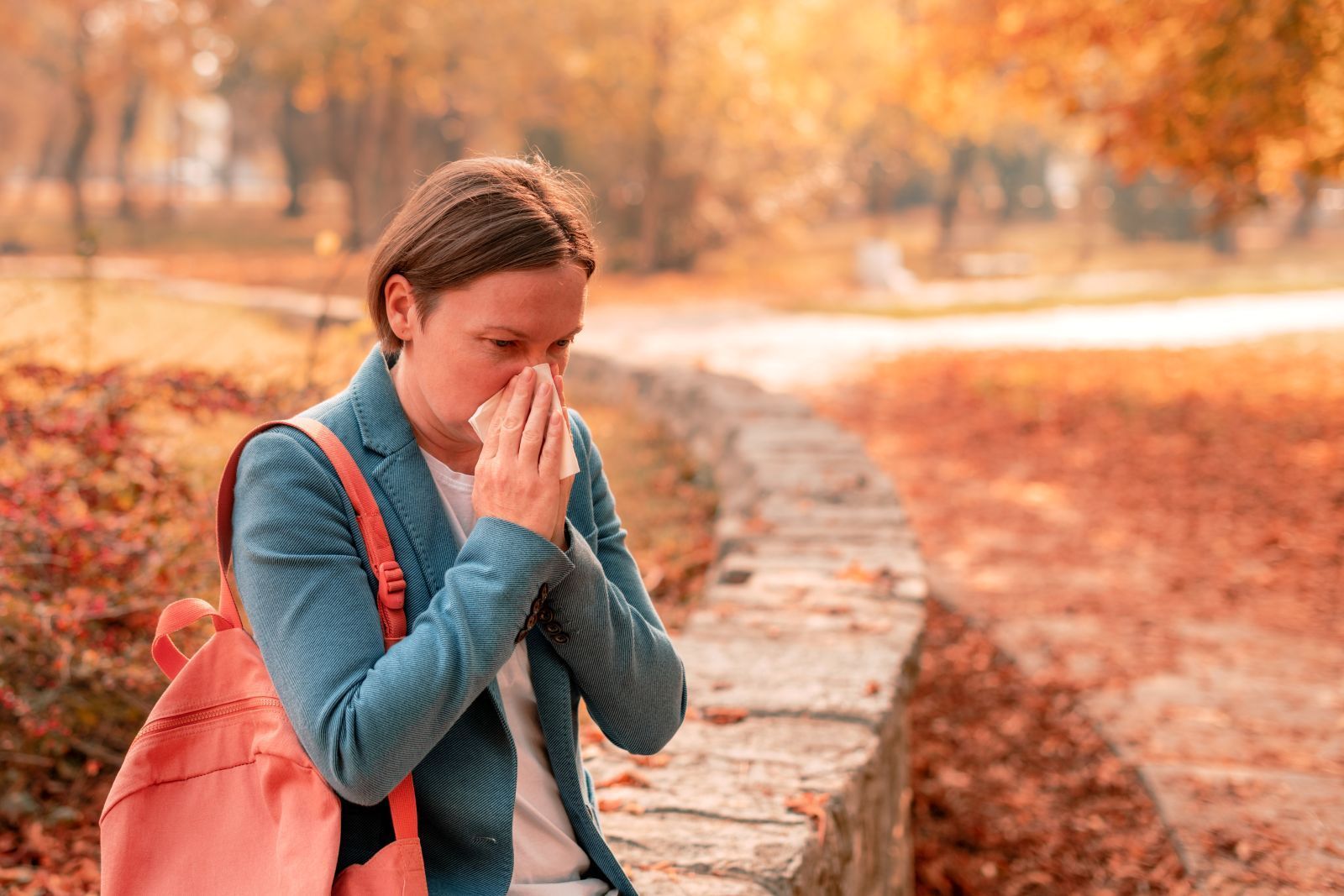
Changing seasons like fall and spring can be beautiful to behold, but for allergy sufferers, these shoulder seasons can also bring physical discomfort. Allergic reactions to environmental conditions like pollen in the air can impact drainage in the sinus cavities, leaving patients feeling clogged and miserable. If this describes you, understanding what's happening in your sinuses and what you can do about it can help you improve your quality of life.
What Are Sinuses?
The purpose of your sinuses is to filter and humidify the air that you breathe before it reaches the lungs. The mucus inside your sinuses acts as a filter to trap dirt and pollutants. When a body has a strong response to pollen, dust, and mold, this can cause problems in the sinuses, including excessive drainage and swelling of the sinus cavities. Eventually, the mucus buildup inside the sinuses blocks drainage and creates a range of symptoms for the patient.
How to Tell When Allergies Are Affecting Your Sinuses
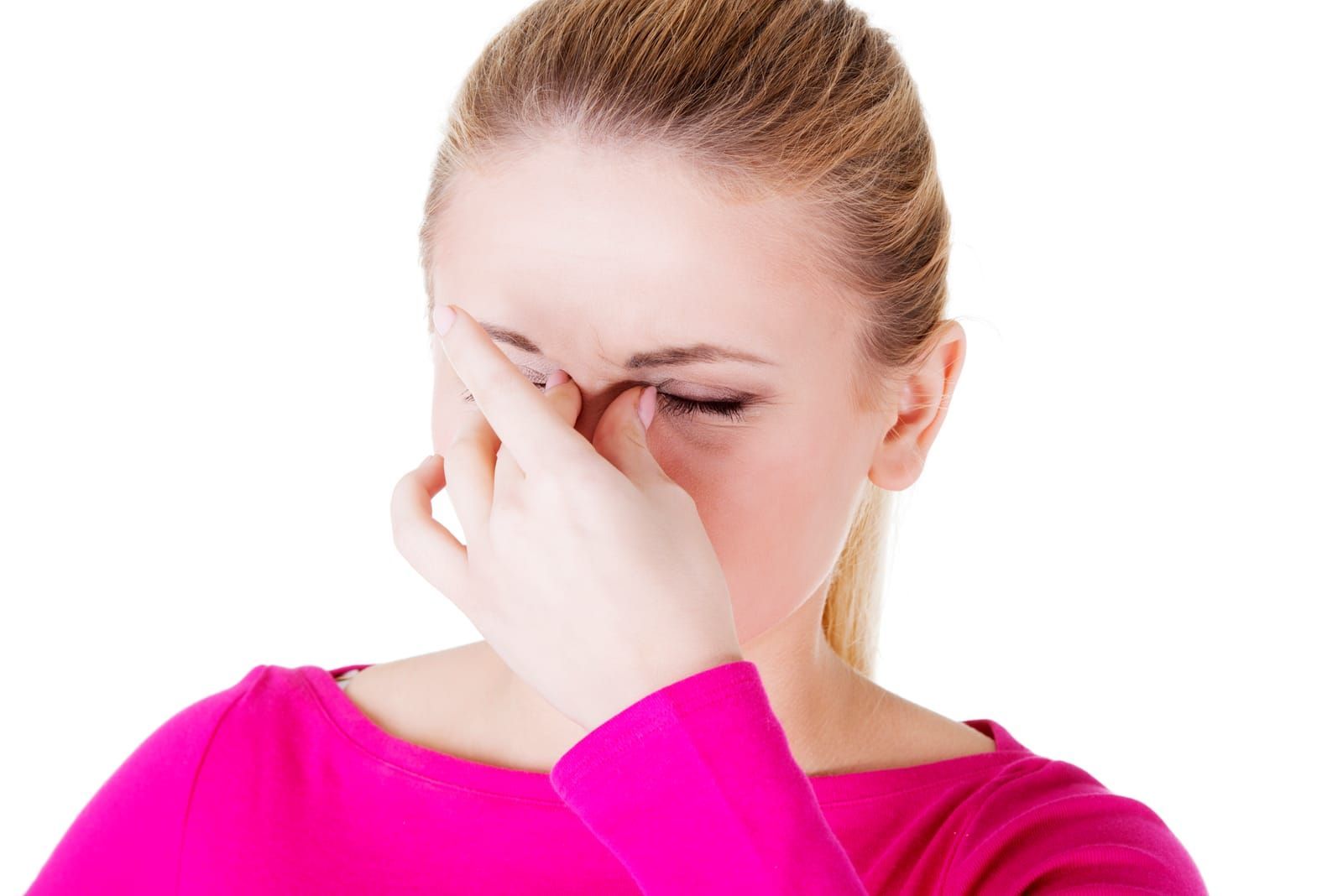
If you suffer from seasonal allergies that affect your sinuses, you may notice a range of symptoms every allergy season.
Symptoms of Allergies Affecting Sinuses
- Sneezing
- Runny nose
- Postnasal drip
- Headache, swelling, and pressure around the cheeks, forehead, and nose
- Itchy throat, nose, and eyes
- Fatigue and inability to focus
- Reduced sense of smell and taste
Is It Allergies or Chronic Sinusitis?
How can you tell the difference between an allergy and chronic sinusitis? Allergies come and go with the changing pollen, but chronic sinusitis lasts 12 weeks or more. During that time, you'll notice cloudy drainage from your nose, fever, pain, toothaches, pressure around your face and eyes, and other problems.
How to Prepare for Allergy Season
Preparing for allergy season can help reduce the impact on your sinuses, improving your overall quality of life. If you predictably suffer from seasonal allergies at the same time each year, making changes at home and the workplace can help create an environment that's better for your body.
- Change air filters: Change the air filters in your HVAC system to filter more dust and pollen from the air.
- Use HEPA filters: HEPA stands for "high efficiency particulate air." These filters remove small particles from the air and can help reduce allergy symptoms.
- Keep windows closed: When the pollen is high, keep your windows closed to protect your indoor environment.
Staying hydrated and limiting your outdoor exposure during peak pollen hours can also help prevent a strong allergic response. Shower after outdoor activities to remove unseen pollen from your clothes and hair.
How to Treat Sinus Problems from Allergies
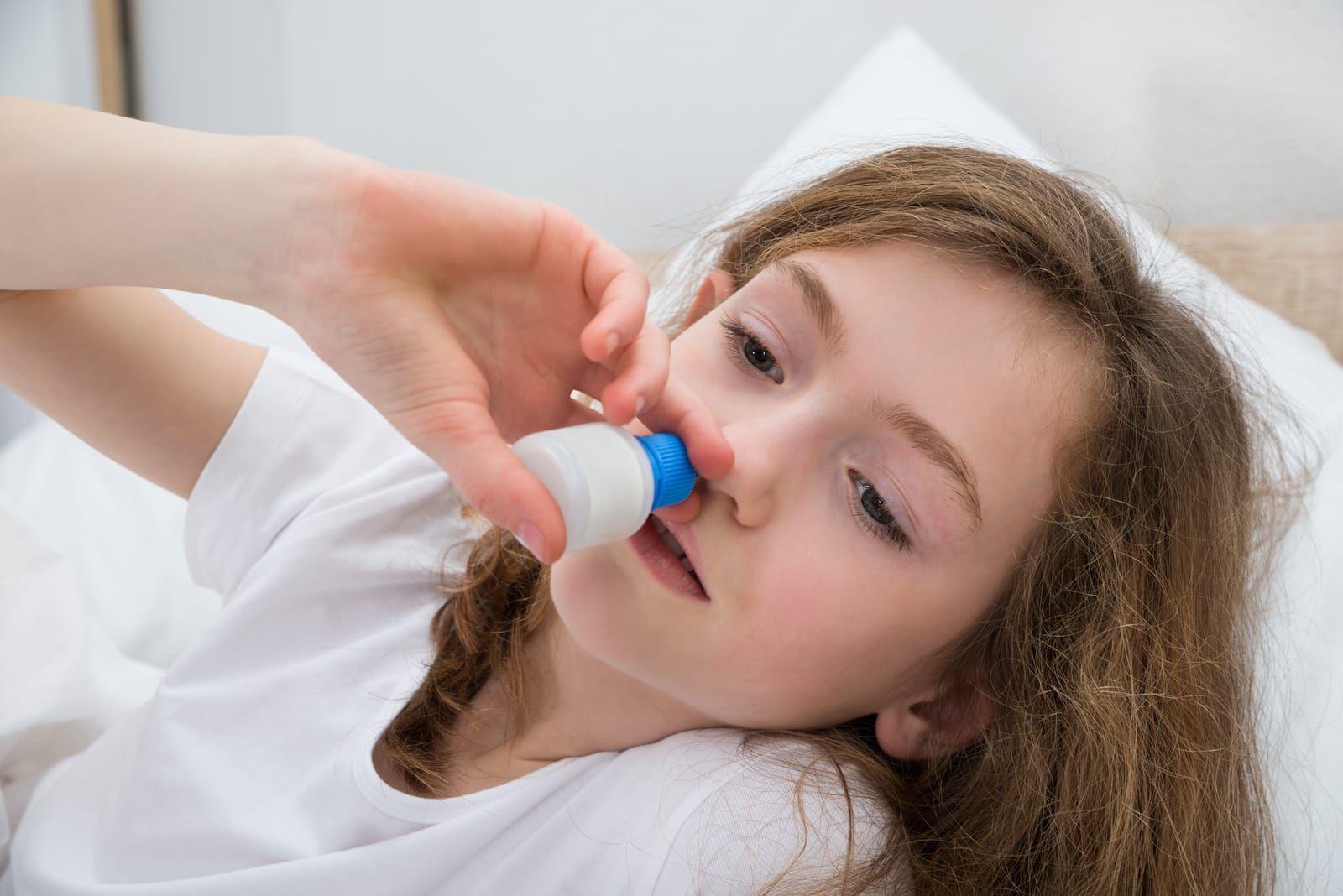
While there is a range of over-the-counter medications that can help reduce your allergic response, your doctor may prescribe more powerful medications, including decongestants, nasal sprays, and allergy medications.
Advanced treatments include allergy testing and immunotherapy to reduce your response to allergens. If you suffer from chronic sinus blockage, a balloon sinuplasty can improve drainage and reduce or stop symptoms.
Chronic sinus problems often don't go away by themselves. If you suffer from sinus problems stemming from your seasonal allergies, an experienced ENT doctor can help you find relief.
Stay Healthy Through Every Season
Proactive care is key to keeping sinuses healthy and allergic responses manageable. If you often suffer during allergy season, contact the office of Dr. Thomas Higgins, MD, to discuss your care plan. Dr. Higgins's services, like sinus surgery and balloon sinuplasty, can help improve your quality of life.